
90% of parents struggle with discipline... 7 Positive Discipline strategies to end parenting stress!
Parenting is one heck of a journey, isn’t it? Filled with laughs, challenges, and a lot of learning.
One of the trickiest parts is figuring out how to discipline our little ones in a way that actually teaches them something good.
Traditional punishments might work in the short term, but they often miss the mark when it comes to long-term positive behavior.
That’s where positive discipline strategies come into play. Let’s dive into some tips that can help you raise responsible, happy kiddos.
Set Clear Expectations
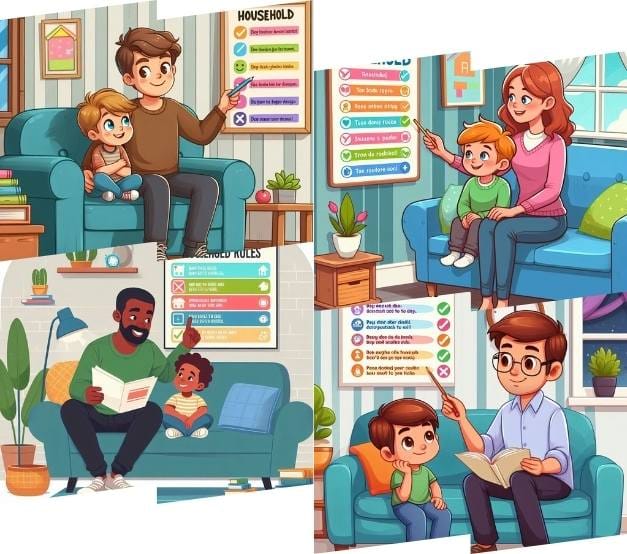
Kids do well with structure and knowing what’s expected of them.
Instead of saying something vague like “be good,” be specific about what you mean.
For example, “Please put your toys back in the box after playing” gives them a clear idea of what you want.
And consistency is key here – sticking to these expectations helps create a stable environment.
Positive Reinforcement is Your Friend
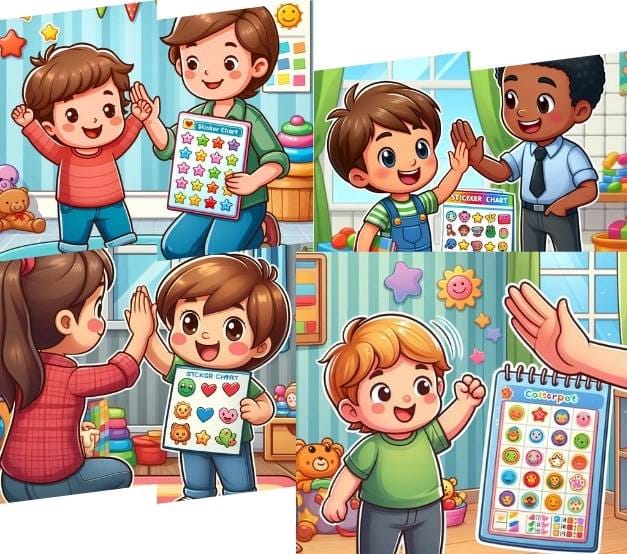
Positive reinforcement is all about praising and rewarding good behavior, which encourages kids to keep doing it.
It can be as simple as giving them a high-five, some verbal praise, or even a fun sticker chart.
If your child shares their toys, you might say, “I’m so proud of you for sharing! That was really kind.”
This boosts their self-esteem and reinforces the good behavior you want to see more of.
Natural and Logical Consequences
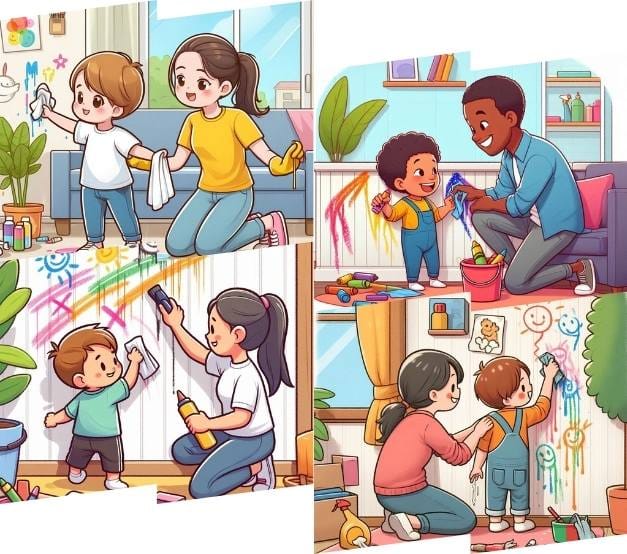
Letting kids experience the natural or logical consequences of their actions can be a great teacher.
Natural consequences happen on their own, like feeling cold because they didn’t wear a jacket.
Logical consequences are directly related to what they did, like having to help clean the wall if they drew on it.
This helps them understand the impact of their actions and learn responsibility.
Try Time-In Instead of Time-Out
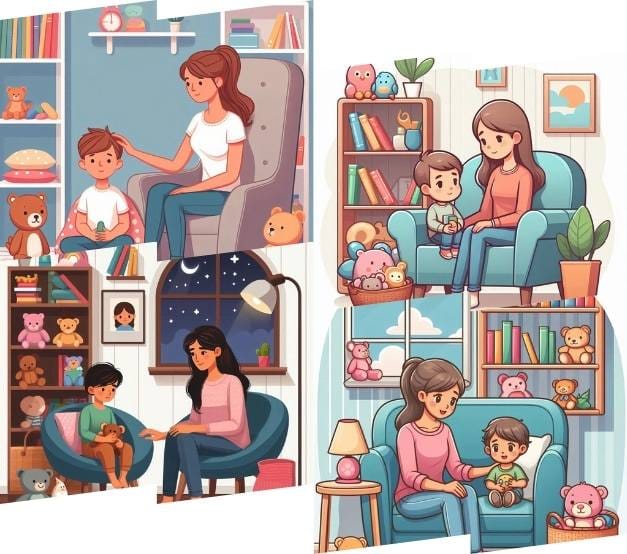
Time-outs can sometimes feel isolating for kids.
A “time-in” approach, on the other hand, involves spending time with your child to help them calm down and talk about their feelings.
You can create a calming corner with books, soft toys, and calming activities.
When emotions run high, guide your kiddo to this space and help them express their feelings.
This teaches them how to manage their emotions and strengthens your bond.
Lead by Example
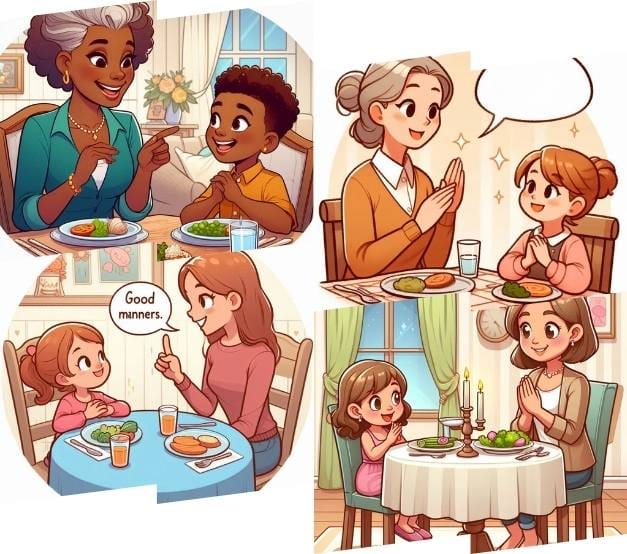
Kids are like little sponges – they soak up everything around them.
So, modeling the behavior you want to see is super important.
If you want your child to speak politely, make sure you’re using polite language yourself.
Show empathy, patience, and respect in your interactions, and your kiddo will likely follow suit.
Keep Communication Open
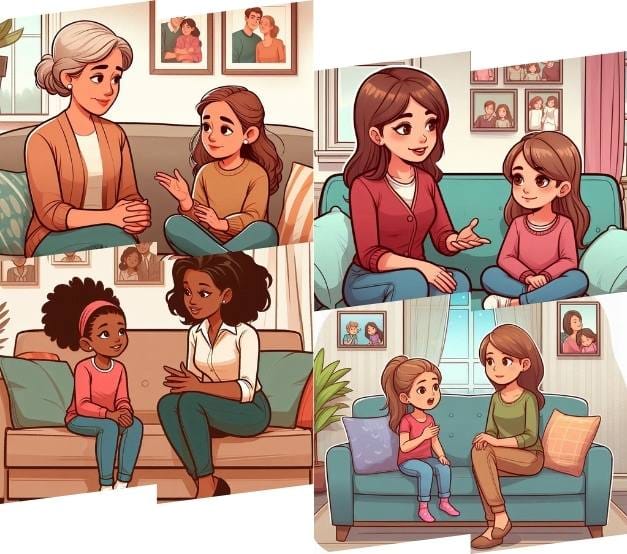
Open and honest communication is at the heart of positive discipline.
Encourage your child to share their thoughts and feelings, and really listen when they do.
Use “I” statements to express your own feelings and concerns, like “I feel upset when toys are left on the floor because someone could trip and get hurt.”
This helps create mutual respect and understanding.
Solve Problems Together
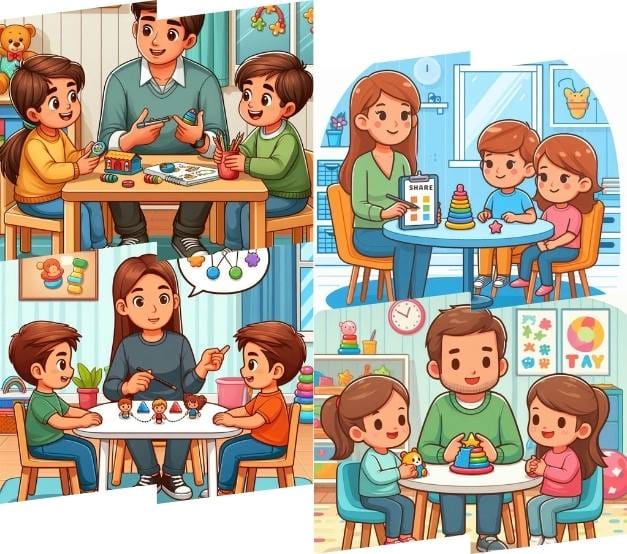
When conflicts arise, involve your child in finding solutions.
This empowers them to think critically and come up with ideas.
If siblings are fighting over a toy, guide them to brainstorm and agree on a fair solution, like taking turns or finding another toy.
This collaborative approach teaches problem-solving skills and a sense of responsibility.
Positive discipline isn’t about permissive parenting – it’s about guiding kids with respect and empathy.
It’s about teaching rather than punishing, helping them develop self-discipline, responsibility, and a strong sense of self-worth.
By using these strategies, you can create a nurturing environment that promotes good behavior and strengthens your bond with your child.
Remember, the goal is to raise not just well-behaved kids, but emotionally healthy and resilient individuals.
SMART SCHOOL KITS
© Copyright 2025 Smart School Kits – All rights reserved